From Plain to Powerful: Transforming Service Fleets with Custom Wraps in Indianapolis
Transforming Service Fleets with Custom Wraps in Indianapolis: From Plain to Powerful Solutions
Custom fleet wraps turn everyday service vehicles into mobile billboards that raise brand visibility while protecting fleet exteriors and supporting long-term maintenance savings. This article explains how fleet vehicle wraps in Indianapolis convert plain vans and trucks into consistent brand touchpoints, clarifies cost and material choices, and outlines the full rollout process for multi-vehicle fleets. Many service companies struggle with inconsistent branding, high advertising costs, and weather-related wear on painted fleets; custom wraps address these issues by combining visual impact, paint protection, and measurable impressions. You will learn why custom vehicle wraps drive local recognition, how to choose between full wraps, partial wraps and decals, what materials withstand Indiana weather, and the practical steps to plan a fleet rollout. The guide also covers maintenance routines, resale implications, and how to evaluate wrap providers so your transformation goes from concept to completed fleet with minimal downtime. Throughout this piece, terms like service van graphics, fleet branding Indianapolis, and vehicle wrap durability Indiana are used to connect design choices to practical outcomes.
Why Choose Custom Vehicle Wraps for Your Indianapolis Service Fleet?
Custom vehicle wraps are vehicle graphics applied as vinyl film that advertise your brand, protect paint, and provide years of visual exposure from daily local impressions. Vinyl adheres over factory paint using adhesives and a protective laminate, which reduces UV damage, shields against light abrasions, and preserves the original finish for resale or repainting. The core benefits are increased brand visibility, a lower cost-per-impression compared to recurring ad buys, and straightforward paint protection that can lengthen the time between costly bodywork or repainting. These advantages make wraps a strategic choice for service van graphics and fleet vehicle wraps Indianapolis clients prioritize when balancing marketing ROI with asset protection.
How do custom wraps enhance brand visibility and recognition?
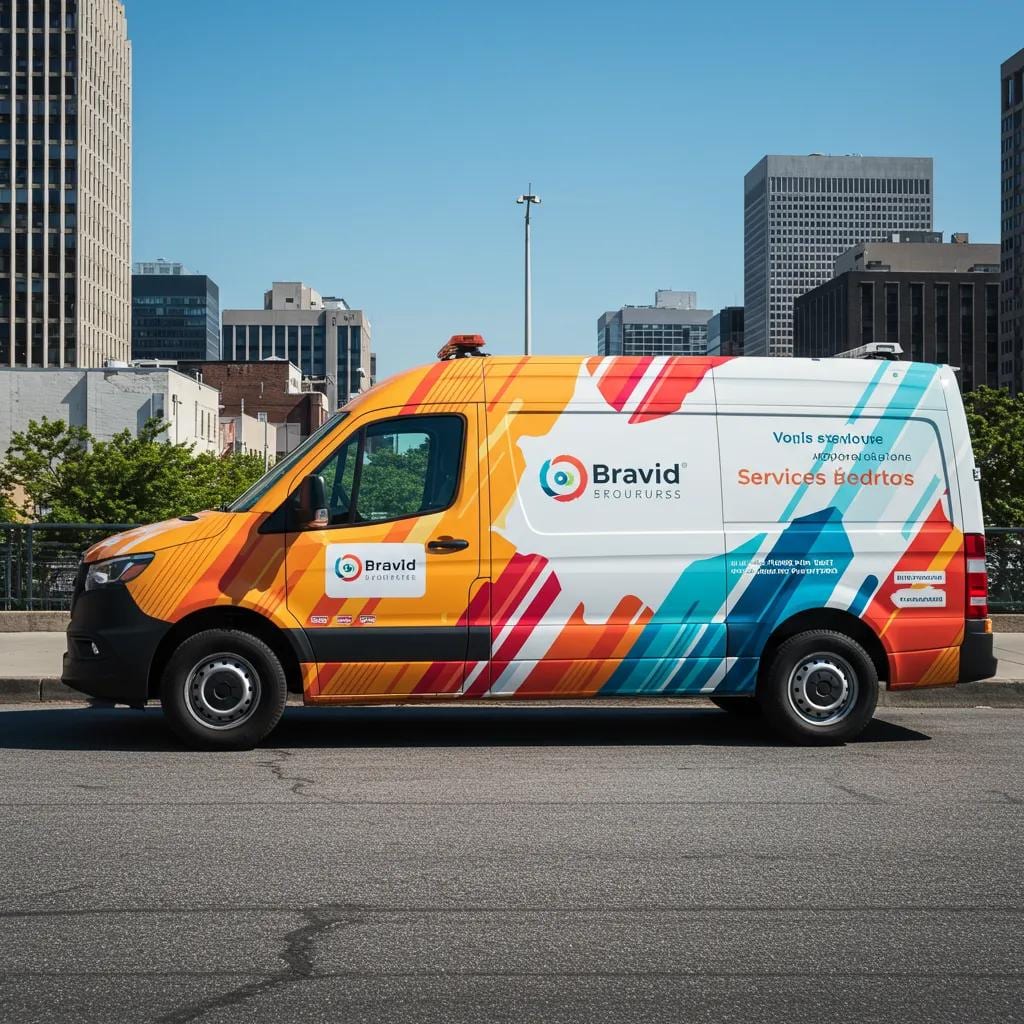
Custom wraps enhance brand recognition by turning each vehicle into a consistent, high-visibility touchpoint that reaches local customers while crews work or drive between jobs. Bold logos, consistent color palettes, and readable vehicle typography create repeated exposures—industry estimates show a wrapped vehicle can generate thousands of impressions per week in busy metro areas. Using consistent spot graphics and full vehicle wraps across a fleet increases brand recall more than sporadic single-vehicle treatments because repetition builds recognition across neighborhoods and service areas. This visibility logic naturally leads into evaluating which wrap types deliver the necessary coverage and impression levels for your marketing goals.
What are the cost benefits of vehicle wraps compared to traditional advertising?
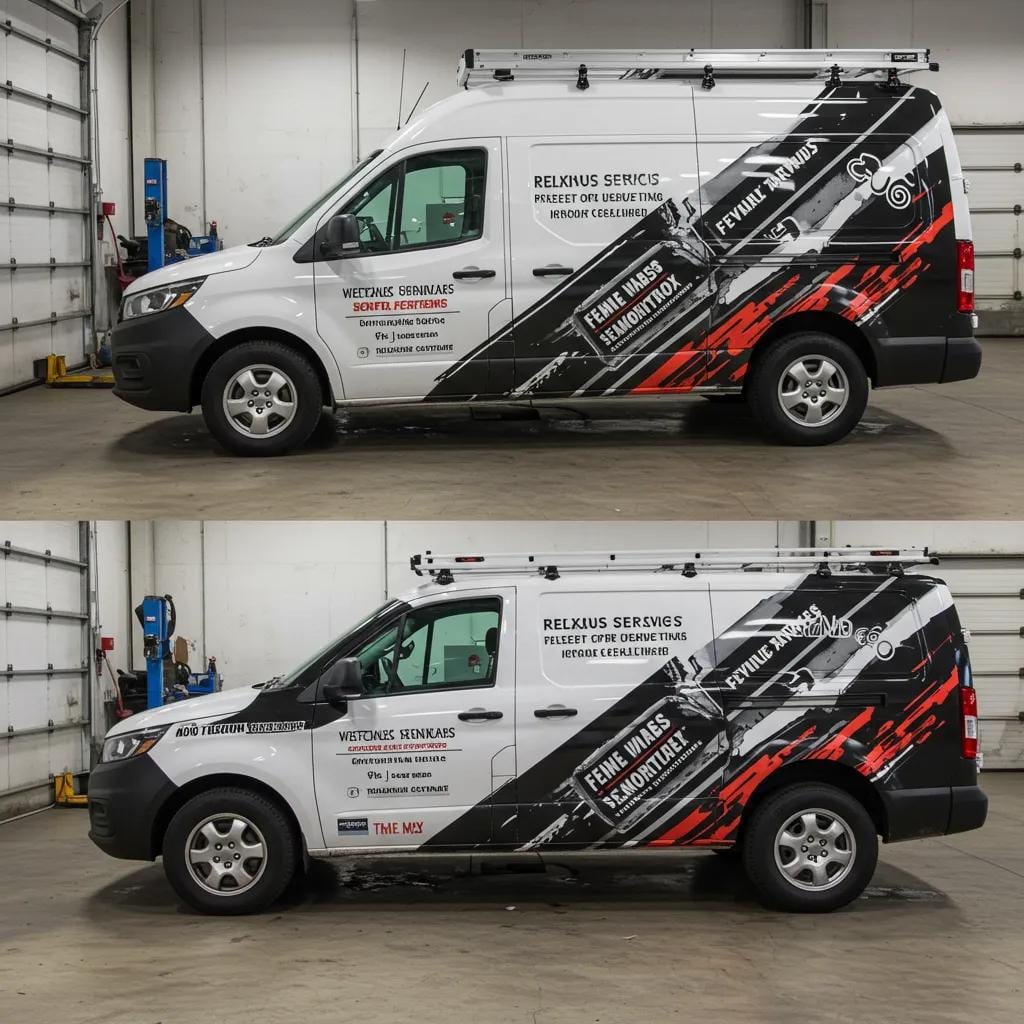
Vehicle wraps require a one-time capital outlay and deliver multi-year advertising value, which reduces effective cost-per-impression versus monthly or seasonal ad buys. For example, a full vehicle wrap that lasts three to five years spreads costs across daily impressions and service calls, often producing lower CPM-style outcomes than billboards or recurring digital campaigns over the same period. Wraps also combine marketing and protection value, creating dual returns when preserved paint improves resale value or reduces maintenance cycles. Understanding these economics leads directly to choosing the right wrap scope—full, partial, or decals—based on budget and expected marketing reach.
How do wraps protect and maintain your fleet’s exterior?
Vinyl wrap materials form a sacrificial barrier over paint that guards against UV fading, minor scratches, and common urban contaminants, keeping underlying finishes in better condition. Laminates bonded to the vinyl increase chemical resistance and abrasion protection, which limits the frequency of repainting and lowers long-term maintenance expenses for fleet managers. When panels are damaged, replacing a section of wrap is typically faster and cheaper than repairing and repainting a vehicle, which preserves uptime for service fleets. The protective role of wraps naturally connects to material selection and durability choices tailored for Indianapolis weather conditions.
For a faster, smoother fleet rollout, working with a local Indianapolis wrap provider speeds scheduling, ensures materials are weather-tested for local freeze/thaw and road salts, and shortens lead times for fleet-wide installation; consider requesting a quote or consultation from a nearby installer to plan a phased rollout.
What Types of Custom Wraps Are Best for Service Fleets in Indianapolis?
Choosing between full wraps, partial wraps, and decals depends on budget, desired visual impact, and vehicle type, with each option offering a different balance of coverage and cost. Full wraps provide maximum visual impact for mobile impressions and cohesive branding across diverse vehicle shapes, while partial wraps and decals reduce cost and installation time when budgets or vehicle geometry constrain coverage. Specialty finishes like reflective vehicle wraps or spot graphics can add safety or highlight service contact details, making them useful for fleets operating at night or near traffic. These wrap type decisions lead into specific comparisons of cost, durability, and installation timelines.
Different wrap types compare on cost, durability, and use case:
Material choices affect lifespan and weather resistance:
After selecting wrap type and materials, typical local providers outline cost ranges and installation timelines—expect smaller decals in a single day, partial wraps in 1–2 days, and full van wraps in 1–3 days per vehicle—and you can request portfolio examples or material samples to confirm finish and durability before committing.
What are the differences between full wraps, partial wraps, and decals?
Full wraps cover most vehicle surfaces and maximize brand messaging at the cost of longer install times and higher material expenses. Partial wraps balance coverage and cost by targeting high-visibility areas such as sides and rear, which shortens installation and reduces expense while still delivering strong impressions. Decals and cut vinyl lettering offer the lowest upfront cost and the fastest installation, ideal for small fleets or temporary campaigns where full coverage is unnecessary. Deciding which option is right flows from comparing material lifespans and the marketing goals discussed next.
How to choose colors and designs that reflect your brand identity?
Select colors that maximize contrast and legibility at distance—dark text on light panels or bright accents on neutral backgrounds—and scale logo elements to remain readable at 25–50 feet. Use vehicle templates during design mockups to place contact information in sightlines and choose fonts with simple, bold letterforms for legibility while vehicles are in motion. Incorporating a small set of consistent brand elements across all vehicles reinforces recognition and simplifies production files for templating. These design rules tie directly to installation planning and the protective choices made for materials.
Which materials offer the best durability for Indianapolis weather conditions?
Cast vinyl with UV-resistant laminates offers the best lifespan and resistance to freeze/thaw cycles, road salts, and summer sun typical of Indiana seasons. Calendared vinyl is a budget option for short-term needs but shows greater edge lift and shrinking in temperature extremes, reducing expected life. Reflective films add safety but require careful installation and may have different warranty terms; always request material datasheets and recommended maintenance routines from installers. Knowing these material trade-offs leads into planning the logistical steps of a fleet wrap program.
How Does the Custom Wrap Process Work for Indianapolis Service Fleets?
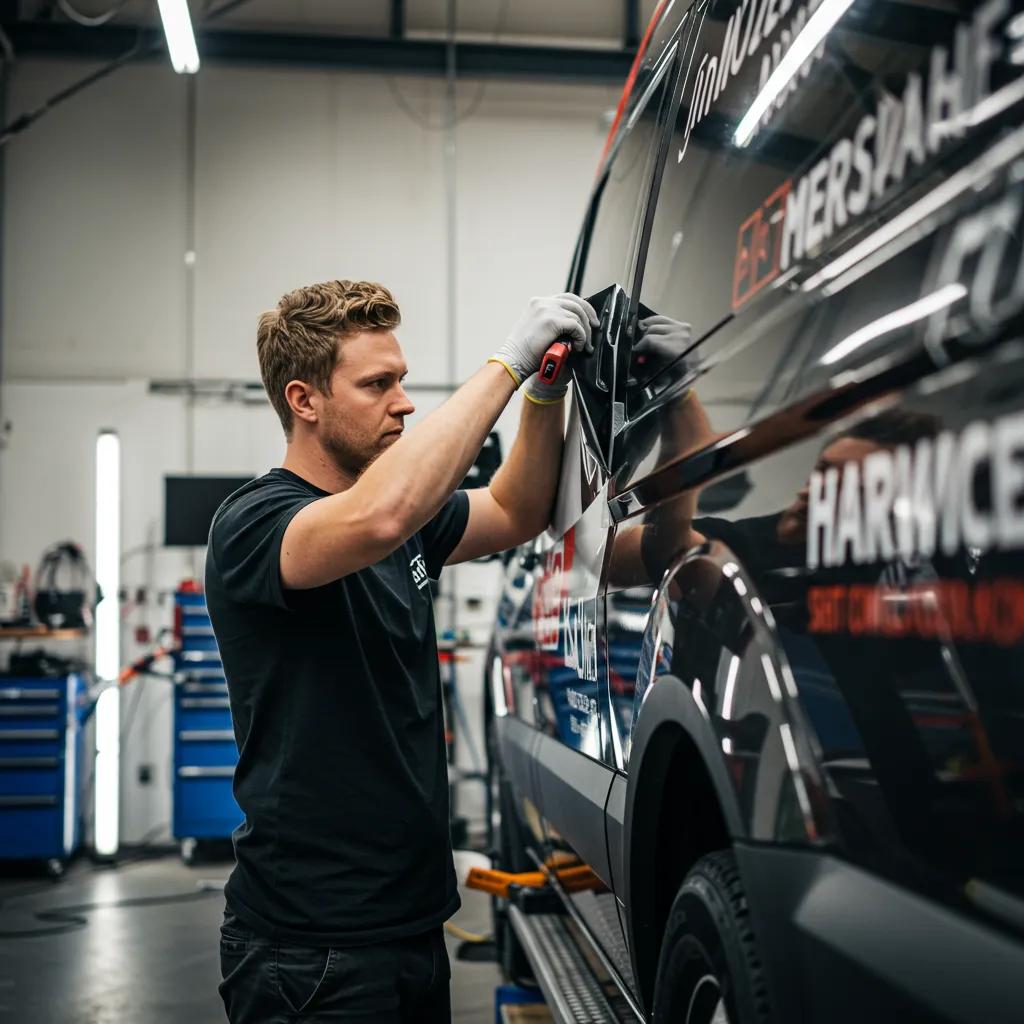
The wrap process for fleets follows a clear sequence: consultation and design, vehicle templating and surface prep, printing and lamination of vinyl materials, professional installation, inspection, and then scheduled maintenance—each step reduces risk and ensures visual consistency. Proper templating and prep are critical because poor surface condition or mismatched colors cause installation defects or early failure; installers typically document condition and suggest small repairs before applying film. Coordinating installations across a fleet requires scheduling to avoid downtime, often using pilot vehicles to validate design and material choices before full rollout. This stepwise approach naturally breaks down into concrete tasks and timings that managers can follow.
The installation workflow and responsibilities:
What are the key steps from design to installation?
A fleet wrap begins with a consultation to set goals, followed by design mockups on vehicle templates and client approvals before printing begins. After design sign-off, vehicles are prepped with thorough cleaning and any required minor paint corrections to ensure adhesion and reduce edge lifting. Installation uses heat-forming techniques and panel-by-panel application with inspection checkpoints to catch color or alignment issues, and installers often document the completed work with photos. These steps lead naturally into timing expectations and strategies to stagger fleet work to minimize service interruptions.
How long does the wrapping process typically take?
Typical install times vary by vehicle type and wrap scope: a single full van wrap often requires 1–3 days, partial wraps commonly finish within a day or two, and simple decal installs can be completed in under a day. Fleet rollouts use staggered schedules or overnight installs to maintain operations, and pilot vehicles are valuable for testing complex graphics or specialty films before broader deployment. Weather, vehicle condition, and design complexity are primary factors that extend timelines, so early planning and templating will reduce unexpected delays. Efficient scheduling ties directly into maintenance expectations and long-term wrap performance.
What maintenance is required to keep wraps looking powerful?
Routine maintenance includes gentle washing with mild detergent, avoiding pressure washers on seams, and inspecting edges and corners monthly for lifting to catch issues early. Use soft brushes or microfiber towels and avoid abrasive cleaners or solvents that can degrade laminate or vinyl adhesives; immediate small repairs prevent larger failures and preserve visual impact. Document cleaning and repairs as part of fleet records to support warranty claims and resale narratives later. Regular maintenance practices feed back into decisions about materials and provider warranties.
What Are the Top Benefits of Transforming Your Fleet with Custom Wraps in Indianapolis?
Transforming a fleet with vehicle wraps combines marketing reach, paint protection, and a cohesive brand image that builds trust and drives local leads across service areas. Measurable impressions, lower effective advertising costs, and reduced repaint frequency form a three-part value proposition for fleet managers comparing wraps to traditional advertising. Consistent visuals across vehicles signal professionalism and improve first-contact conversion when customers judge contractors by appearance and branding. These benefits lead into specific marketing and resale impacts worth tracking after rollout.
How do wraps improve marketing reach and customer engagement?
Wrapped fleets create repeated, localized impressions as vehicles travel to job sites and neighborhoods, increasing inbound calls and web searches for branded services shown on the vehicle. Mobile impressions concentrate in the areas where your crews operate, providing targeted visibility that complements local advertising strategies and can increase route-area recall. Tracking lead sources post-rollout helps quantify impact and justify wrap investment as part of broader fleet marketing. Improved engagement highlights resale and longevity benefits that follow.
Can wraps increase fleet resale value and longevity?
By protecting factory paint, wraps help maintain the original finish beneath the film, which can improve resale appeal if the wrap is professionally removed before sale. Documented maintenance and the ability to remove wraps without damaging paint provide flexibility to refresh branding or prepare vehicles for resale with minimal cost. The protective role of wraps therefore contributes to total cost of ownership calculations, often tipping the balance toward wrap investment for high-mileage service fleets. This resale logic connects back to material selection and installation quality.
How do wraps contribute to a professional and cohesive fleet appearance?
Uniform wraps create a consistent brand presence across all vehicle types, making crews instantly recognizable and signaling reliability to customers during first impressions. Standardized placement of logos, contact details, and color blocks preserves legibility and ensures that the brand reads clearly from common sightlines like driveways and street traffic. A cohesive visual system reduces confusion and increases perceived trustworthiness, which supports higher conversion rates on service calls and inbound leads. Professional appearance ties directly into provider selection criteria discussed next.
Where Can Indianapolis Businesses Find Reliable Custom Wrap Services?
Selecting a trusted provider means evaluating portfolios, material specifications, warranties, insurance coverage, and local references to ensure quality and post-install support are aligned with fleet needs. Look for installers who provide clear material datasheets (cast vinyl, laminate types), examples of similar fleet work, and documented installation facilities that handle multi-vehicle scheduling. Confirming local permitting knowledge, insurance for vehicle work, and warranty terms helps avoid compliance or liability surprises. These provider selection points transition directly into practical evaluation steps and next actions businesses should take.
What should you look for in a trusted vehicle wrap provider?
Use a checklist when vetting providers: portfolio depth across vehicle types, material specification transparency, installation photos, warranty terms, and proof of insurance and facility capabilities. Request references for local fleet projects and ask about post-install maintenance support and small-repair response times to ensure longevity. A clear contract that details color matching, damage procedures, and removal terms reduces future disputes and aligns expectations before work begins. This checklist supports portfolio review and review interpretation guidance in the next section.
How do customer reviews and portfolios influence your choice?
Portfolios demonstrate real installer capability across vehicle geometries and show edge treatment, color consistency, and quality of seams—critical visual indicators not visible in a simple estimate. Reviews can reveal responsiveness for corrections, adherence to timelines, and the installer’s ability to support fleet maintenance after handoff, which are as important as the aesthetic outcome. Asking for local references and before/after photos helps validate claims and assess fit for your fleet requirements. Evaluating these items leads into checking local regulations before finalizing plans.
Are there local regulations or permits to consider for fleet wraps?
Verify municipal rules on vehicle advertising, restrictions on reflective materials, and any local signage ordinances that might apply to commercial vehicle graphics in Indianapolis, as regulations occasionally govern size, reflectivity, or placement of certain elements. Confirm permit needs with city transportation or parking authorities when vehicles function as mobile signage in high-visibility zones, and document compliance with your installer to avoid fines. Consulting the installer and local permitting office ensures installations meet both safety and regulatory requirements. After confirming compliance, schedule a pilot wrap and request material samples or a fleet assessment to begin your rollout.