How Vehicle Wraps Boost Brand Visibility for Indianapolis Businesses
How Vehicle Wraps Boost Brand Visibility for Indianapolis Businesses
Vehicle wraps transform company vehicles into mobile advertising assets by covering panels with printed vinyl graphics that communicate brand identity, services, and contact information. This article explains how vehicle wraps and fleet graphics increase local visibility for Indianapolis businesses, how different wrap types perform in city driving patterns, and how to evaluate materials like 3M and Avery for long-term durability. Many Indianapolis owners and marketing managers face limited budgets and inconsistent local reach; vehicle wraps offer a one-time investment that generates continuous impressions on commutes, job sites, and delivery routes. Below we cover the key benefits and impression metrics, the main wrap types and price drivers, a step-by-step design and installation workflow, cost and ROI calculations, and practical criteria for selecting a local provider. Read on to learn how commercial fleet wraps, custom truck wraps Indiana, and van wraps Indianapolis can become measurable, out-of-home advertising that supports lead generation and brand recall across Indianapolis neighborhoods.
What Are the Key Benefits of Vehicle Wraps for Indianapolis Businesses?
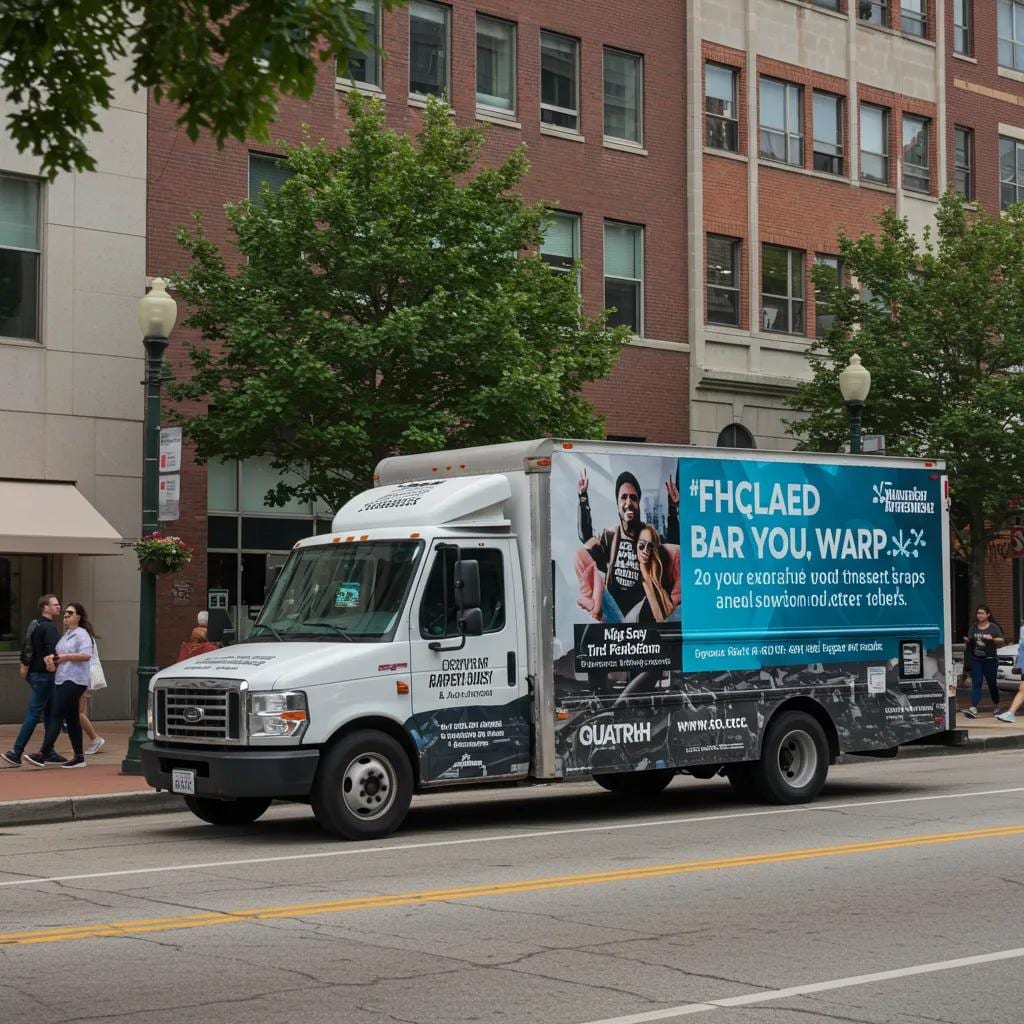
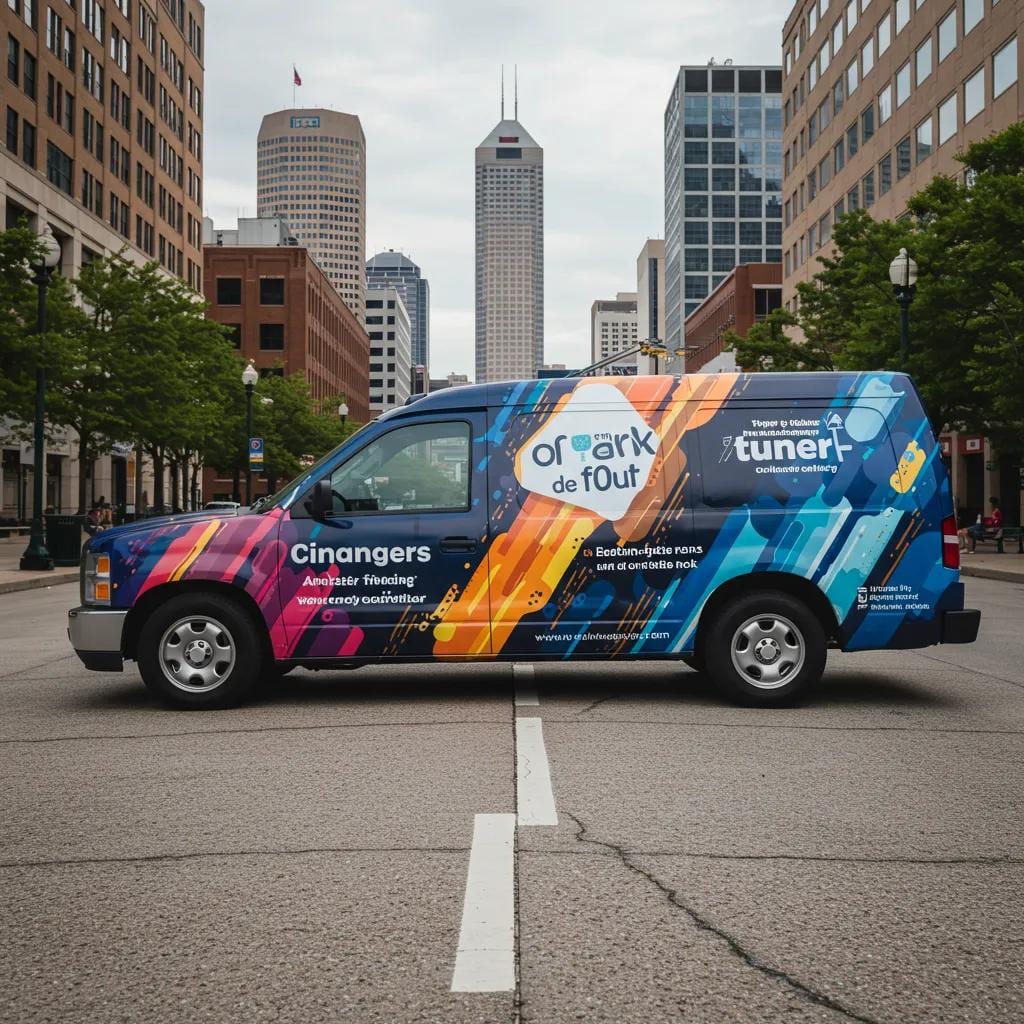
Vehicle wraps are vinyl graphics applied to vehicles that act as mobile billboards, increasing brand impressions through everyday local travel. This mechanism boosts recall because crews, delivery vans, and service trucks repeatedly pass residential and commercial areas, producing tens of thousands of impressions annually and concentrated reach along common routes. The direct benefits include measurable impressions, low CPM compared with many static or digital channels, paint protection for assets, and a professional, consistent appearance across fleets. Below is a concise list of the primary advantages Indianapolis businesses should weigh when evaluating fleet graphics.
- Increased Local Reach: Wraps turn routine routes into advertising opportunities that reach customers where they live and work.
- Low Cost Per Impression: One-time application spreads cost across thousands of daily impressions over multiple years.
- Vehicle Protection: Vinyl acts as a sacrificial layer that preserves paint and simplifies rebranding.
- Brand Consistency: Matching graphics across vehicles reinforce credibility and improve recognition.
These benefits establish the case for moving from evaluation to action, and businesses ready to convert vehicles into mobile advertising can request local fleet wrap services or a quote from certified installers to estimate impact.
How Do Vehicle Wraps Increase Local Brand Awareness?
Vehicle wraps increase local brand awareness by exposing consistent visual identity to drivers, pedestrians, and residents along routine routes, creating repeated brand impressions that drive recognition. Repetition across neighborhoods and commercial corridors builds memory encoding; for Indianapolis this means visibility during commutes, events, and service calls in neighborhoods and business districts. Impressions accumulate daily—estimates often range broadly, but industry metrics show mobile advertising can yield tens of thousands of impressions per vehicle per year—helping small and mid-size businesses maximize local reach without recurring media buys. Sustained visibility also supports other marketing channels by increasing direct searches and inbound calls tied to wrapped vehicles.
Why Are Vehicle Wraps a Cost-Effective Mobile Advertising Solution?
Vehicle wraps lower the effective CPM because a one-time installation delivers advertising exposure for multiple years, in contrast with recurring costs for digital ads or traditional billboards. The cost-effectiveness arises from the ratio of total impressions to initial spend: wrap lifespan (commonly measured in years) multiplied by daily route frequency produces a high impressions-per-dollar figure. Compared to newspaper inserts or local radio, wraps avoid ongoing expenses while maintaining presence in relevant neighborhoods. Understanding CPM and lifespan enables businesses to compare wrap investments versus monthly ad budgets and plan long-term marketing allocations.
How Do Vehicle Wraps Protect Vehicle Paint and Preserve Resale Value?
A high-quality vinyl wrap forms a protective layer over factory paint, shielding surfaces from UV fading, minor road debris, and light abrasions that accumulate during normal use. Because wraps are removable, they can preserve the underlying finish and make repainting unnecessary when the vehicle is sold or rebranded, which can help maintain resale value. Proper installation and careful removal by professionals minimize adhesive residue and prevent paint damage. Knowing the protective mechanics of vinyl helps fleet managers justify wrap ROI beyond advertising, linking aesthetic value to long-term asset preservation.
In What Ways Do Vehicle Wraps Enhance Professionalism and Credibility?
Branded vehicles present a consistent, professional image that signals reliability to potential customers during service calls, deliveries, and street presence across Indianapolis neighborhoods. Visual cues such as clear logos, readable type, and contact information increase trust and recall compared with unbranded or ad-hoc signage. For trades, delivery, and field-service businesses, a wrapped fleet creates perceived scale and competence, which can increase inbound lead quality. Clear, consistent branding also supports online searches and follow-up actions by prospects who remember the vehicle visuals.
What Types of Vehicle Wraps Are Available for Indianapolis Businesses?
Wrap options range from full-vehicle wraps to partial/spot graphics and fleet kits designed for consistent branding across multiple vehicles, each matching different budgets and visibility goals. Full wraps cover large surfaces for maximum visual impact; partial wraps and decals target key panels for lower-cost exposure; fleet kits standardize assets for brand consistency across vehicle classes like vans and trucks. Finish options such as gloss, matte, or textured laminates influence visual impact and maintenance. Below is a short comparison of common wrap types and when each is most appropriate for local businesses.
- Full Wraps: Maximum coverage and brand storytelling across vehicle panels.
- Partial Wraps: Focused messaging on doors, hoods, or rear panels at lower cost.
- Fleet Kits: Templates and consistent branding applied across multiple vehicles.
Choosing the right wrap depends on the vehicle type, budget, and desired visibility, which leads into practical material and design considerations below.
What Are Commercial Fleet Wraps and Their Benefits in Indianapolis?
Commercial fleet wraps apply a uniform design across multiple vans or trucks to create saturation along service routes and reduce per-unit design and production costs through volume. Fleet wraps amplify cumulative impressions because each vehicle contributes to a shared brand presence on roads and job sites, increasing the probability of repeated exposures in neighborhood clusters. Standardizing artwork and installation workflows also simplifies maintenance, touch-ups, and future rebranding. For route-based businesses, fleet wraps convert routine travel into a strategic advertising channel that scales with vehicle count.
How Do Custom Vehicle Wraps for Business in Indy Stand Out?
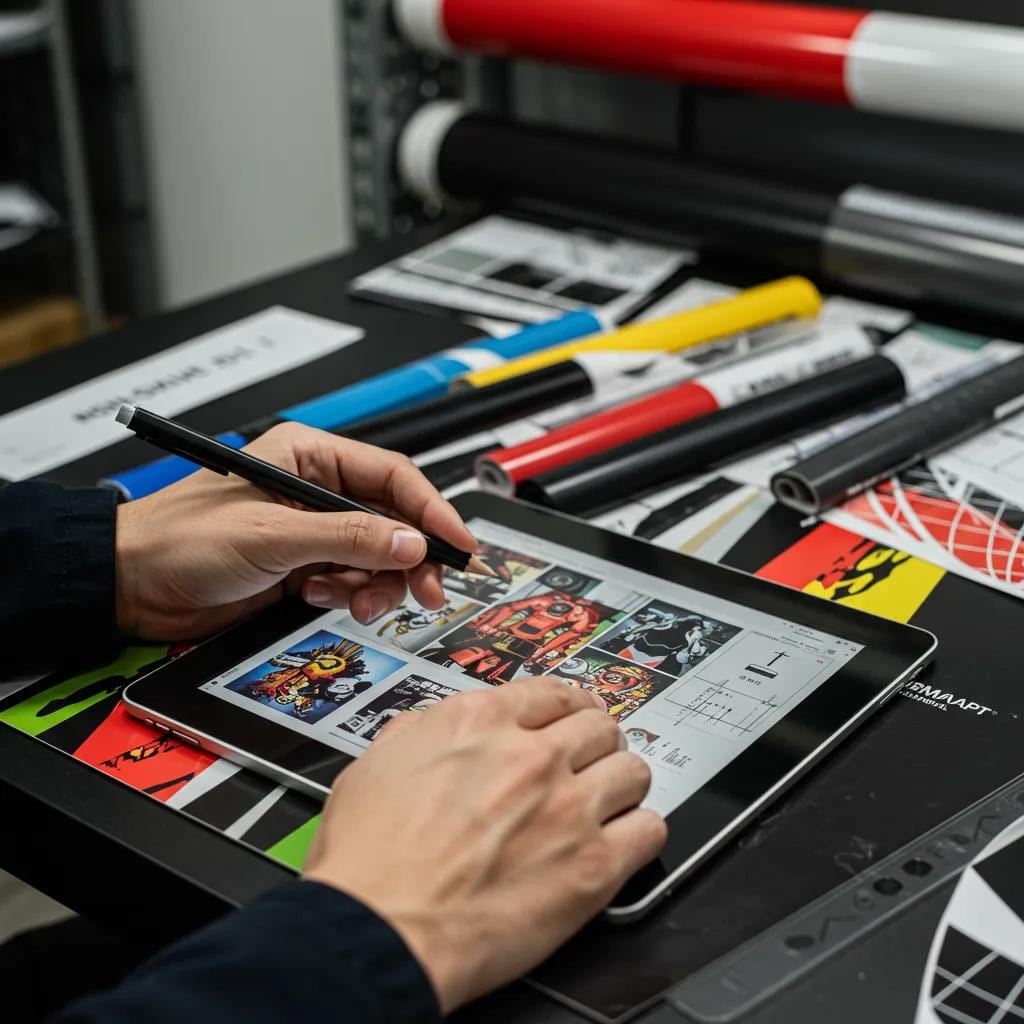
Custom wraps emphasize high-contrast colors, legible fonts at distance, and focused CTAs to ensure messages read clearly at driving speeds and in varied lighting. Incorporating local imagery or service-area references can increase relevance to Indianapolis neighborhoods, while tailored layouts respect vehicle contours to avoid visual distortion. Design principles prioritize brand colors, simple messaging, and strategic placement of phone numbers or web handles for action. Effective custom design balances creativity with clarity to maximize recognition during brief view times.
What Are the Differences Between Full and Partial Vehicle Wraps?
Full wraps cover most painted surfaces and provide uninterrupted visual narratives, making them ideal for businesses seeking broad exposure and memorable visuals. Partial wraps or spot graphics concentrate messaging on high-visibility panels for cost savings and easier updates. Full wraps generally command higher upfront investment but often yield greater impressions-per-dollar over lifespan, whereas partial wraps can be sufficient for local service vehicles with constrained budgets. Assessing vehicle usage patterns and target routes helps determine which coverage option meets visibility and budget goals.
How Does the Vehicle Wrap Design and Installation Process Work in Indianapolis?
Design and installation follow a predictable workflow: discovery and measurement, graphic design and proofing, material selection and printing, professional installation, and final inspection—each step reduces risk and ensures durable results. Certified installers use vehicle templates, measure panels precisely, and perform surface prep to remove contaminants that compromise adhesion. Material choice—brands like 3M and Avery—affects durability, laminate options, and warranty coverage; local certified installers commonly offer these branded vinyls and full-service workflows from design to installation. Clear communication and staged approvals keep projects on schedule and ensure the finished wrap meets visibility and durability expectations.
- Consultation & Measure: Record vehicle dimensions, routes, and objectives.
- Design & Proof: Create templates and client approvals for layout and legibility.
- Material Selection: Choose vinyl brand, finish, and laminate for durability.
- Installation & QC: Surface prep, heat application, seam work, and inspection.
What Are the Steps in Designing a Custom Vehicle Wrap?
Designing a wrap begins with a design brief capturing goals, brand assets, and target routes, then moves to vehicle-specific mockups using manufacturer templates to ensure accurate placement. Designers prioritize contrast, readable typography for moving viewers, and minimal text with a clear CTA to maximize comprehension. Proofing stages should include scaled mockups and placement checks on photos or physical templates to catch distortions. Final approval triggers production with print-ready files and color management checks to align expectations.
Why Is Material Selection Important: 3M Vinyl and Other Options?
Material selection determines longevity, finish, and warranty; premium brands such as 3M and Avery are recognized for stable adhesives, color fidelity, and protective laminates. Higher-grade films resist UV fade, shrinkage, and edge lifting, extending useful life and preserving appearance during city driving conditions. Laminates (gloss or matte) add scratch resistance and influence glare; installers often recommend laminates matched to the brand film. Choosing certified materials and installers reduces risk of premature failure and supports warranty claims.
How Is Professional Installation Performed and Why Does It Matter?
Professional installation includes thorough surface cleaning, filling or smoothing imperfections, precise cutting, heat-shrinking around contours, careful seam management, and post-install inspection to ensure adhesion and finish. DIY attempts often result in bubbling, misalignment, and short lifespans, whereas trained installers follow manufacturer guidelines to protect both wrap and paint. Quality control includes a final walk-around and documentation of any prep work that could affect longevity. Proper installation preserves the marketing investment and prevents costly rework.
How Much Do Vehicle Wraps Cost in Indianapolis and What Is the ROI?
Wrap costs vary by vehicle size, design complexity, material quality, and prep work, but pricing typically falls into recognizable ranges for budgeting and ROI planning. Return on investment is realized through cumulative impressions over the wrap’s lifespan (commonly multiple years), reduced CPM compared with recurring ads, and ancillary benefits like paint protection. Below is a brief table showing how cost factors affect price and a simple ROI statement to help assess value.
- Typical Ranges: Partial wraps (lower-cost panels) to full wraps (higher-cost, higher-impact)
- ROI Drivers: Impressions per route, wrap lifespan, conversion rate of impressions to leads
- Measurement: Track calls, promo codes, and web traffic correlated to vehicle presence
Using impression estimates and lifespan, businesses can calculate CPM and cost per lead; a one-time wrap that generates thousands of impressions per month typically compares favorably to many ongoing local ad buys.
What Factors Influence Vehicle Wrap Cost in Indianapolis?
Major cost drivers include vehicle dimensions, surface condition and prep needs, artwork complexity, vinyl grade, and the number of vehicles in a fleet; volume discounts apply for fleet kits. Prep work like dent repair or paint correction increases labor and therefore price, while simpler designs and smaller panels reduce costs. Material selection (brand and laminate) affects both upfront spend and long-term durability, influencing effective lifetime value. Requesting transparent quotes with line-item breakdowns helps compare bids and choose a value-aligned provider.
How Does Vehicle Wrap Advertising Deliver Long-Term ROI?
Long-term ROI comes from sustained impressions during daily operations and the multi-year useful life of quality vinyl, turning one-time spend into a lasting advertising channel. Calculating ROI involves estimating cumulative impressions, applying a CPM benchmark, and measuring conversions attributable to the wrapped vehicles via tracked phone numbers or promo codes. Over its lifespan, a wrap’s cost-per-impression typically falls below many recurring local ad platforms, and added paint-protection benefits can reduce fleet repainting expenses. Regular tracking and simple A/B comparisons between wrapped and unwrapped routes clarify marketing impact.
How Can Indianapolis Businesses Choose the Best Vehicle Wrap Provider?
Selecting a provider requires evaluating portfolios, material disclosures, installer certifications, and local references to ensure both visual impact and durable results. Ask for before/after photos, sample material specs (3M or Avery confirmation), and documented installation processes including surface prep and warranty terms. Local case studies provide evidence of measurable outcomes—look for metrics like call or website lifts paired with images. Below is a checklist to guide vendor selection and next steps you can take to obtain local estimates.
- Portfolio Review: Request recent photos of similar vehicle types and industries.
- Material & Warranty: Confirm vinyl brand and laminate specifications.
- Installer Credentials: Ask about certifications and a documented installation workflow.
- References & Case Metrics: Seek local examples that include measurable results.
This checklist narrows choices and leads naturally into requesting estimates or scheduling consultations with local wrap specialists to obtain tailored pricing and timelines.
What Criteria Should You Use to Select a Vehicle Wrap Company in Indianapolis?
Use a consistent set of questions when vetting providers: can they show completed work on similar vehicles, do they disclose material brands and warranties (for example, premium vinyl options), what is their installation process and timeline, and can they provide local references. Comparing portfolios side-by-side reveals differences in color fidelity, edge work, and layout decisions that affect legibility at speed. Ask for detailed quotes breaking out design, materials, prep, and installation labor to compare apples-to-apples. These criteria help select a vendor that balances visual quality and long-term durability.
How Do Local Case Studies Demonstrate Vehicle Wrap Success in Indianapolis?
Local case studies show which industries and routes produce strong returns by pairing visuals with metrics—before/after impression estimates, tracked calls, or web visits tied to vehicle presence. Effective case studies include clear images, route descriptions, and measurable outcomes (e.g., increased calls or website sessions) to demonstrate causal impact. Industry-relevant examples—plumbing, HVAC, delivery—help businesses estimate likely results for their own fleets. Request anonymized local results when evaluating providers to validate expected ROI and creative effectiveness.